LEGO Fabuland: The Gentle, Story-Driven World That Time Forgot

When people think of classic LEGO themes, names like Castle, Space, or Pirates usually take centre stage. However, tucked quietly into LEGO history is a charming and deeply beloved theme that stands out as unique among the company’s creations. LEGO Fabuland.
Running from 1979 to 1989, Fabuland was LEGO’s first major attempt at true storytelling. It was designed not just to be built, but to be read, played with and enjoyed.
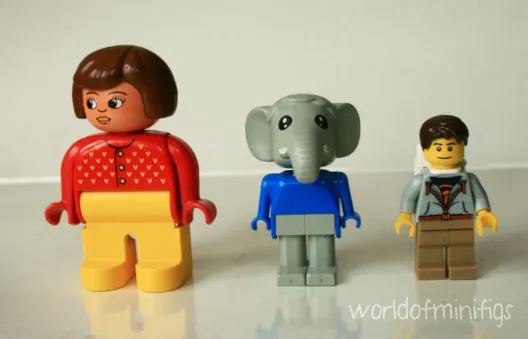
Fabuland was created specifically for younger children, ages 3–7, as a bridge between DUPLO and standard LEGO System sets. The pieces were larger and easier to handle than regular LEGO bricks, but smaller and more detailed than DUPLO. This alone made Fabuland a fascinating experiment in LEGO design.
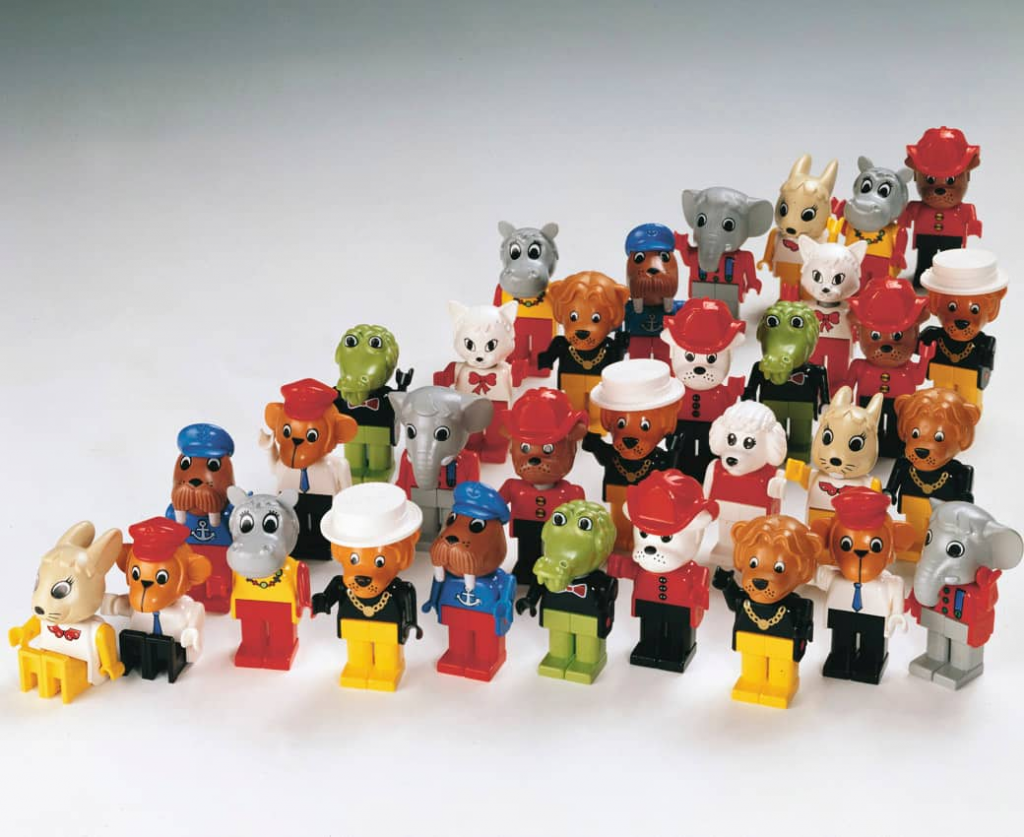
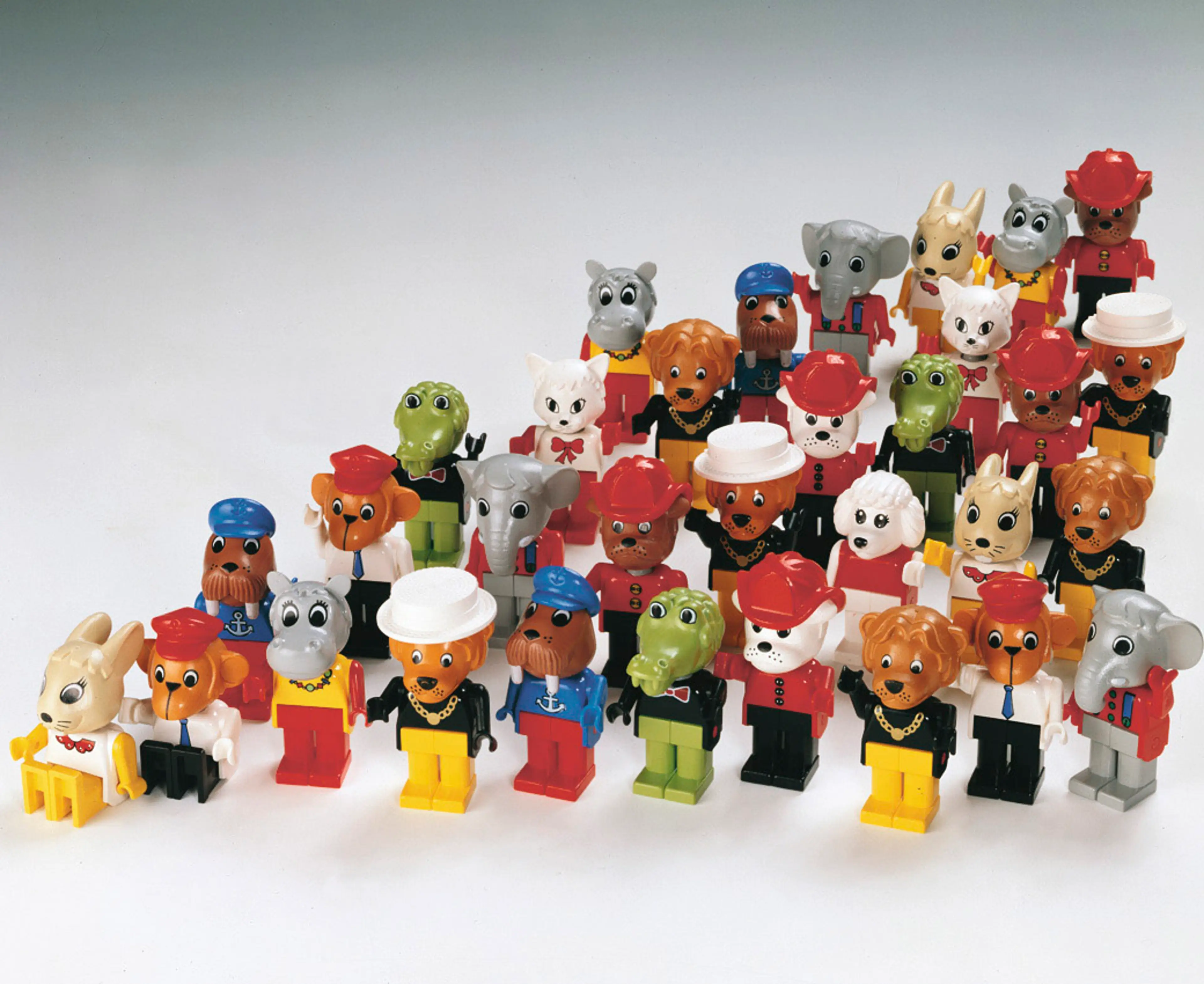
Instead of knights or astronauts, Fabuland featured foxes, elephants, bears, rabbits, and crocodiles. Each character has their own unique name, personality, and roles within a cosy village world. These characters weren’t just minifigures; they had moulded heads, expressive faces, and movable limbs that felt more like toys from a storybook than LEGO building blocks.
Some fan favourites included Edward Elephant, Joe Crow, Lucy Lamb, and Freddy Fox.
Together, they lived in a peaceful, small-town setting filled with bakeries, post offices, farms, boats, and homes.
Fabuland wasn’t just about construction; it was about narrative.
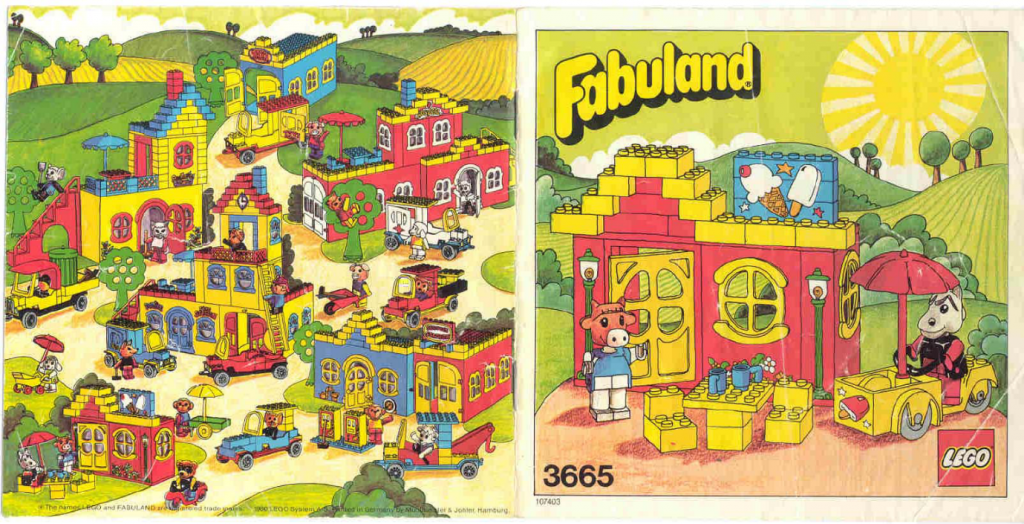
Each set came with storybook-style instructions, often presented as illustrated comics rather than technical step-by-step diagrams. These stories explained what the characters were doing and why the build mattered. You weren’t just assembling a bakery, car or house, you were helping a character prepare for the day, deliver goods, or host friends.
This storytelling approach was revolutionary for LEGO at the time and foreshadowed what would later become central to themes like LEGO City, Friends, Ninjago, and beyond.
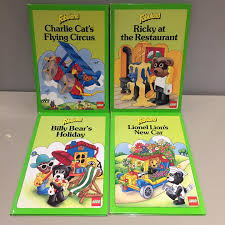
In many ways, Fabuland was LEGO’s first true world-building theme. Expanding the building experience to additional merchandise such as books, keyrings and clothing.
From a design perspective, Fabuland was bold.
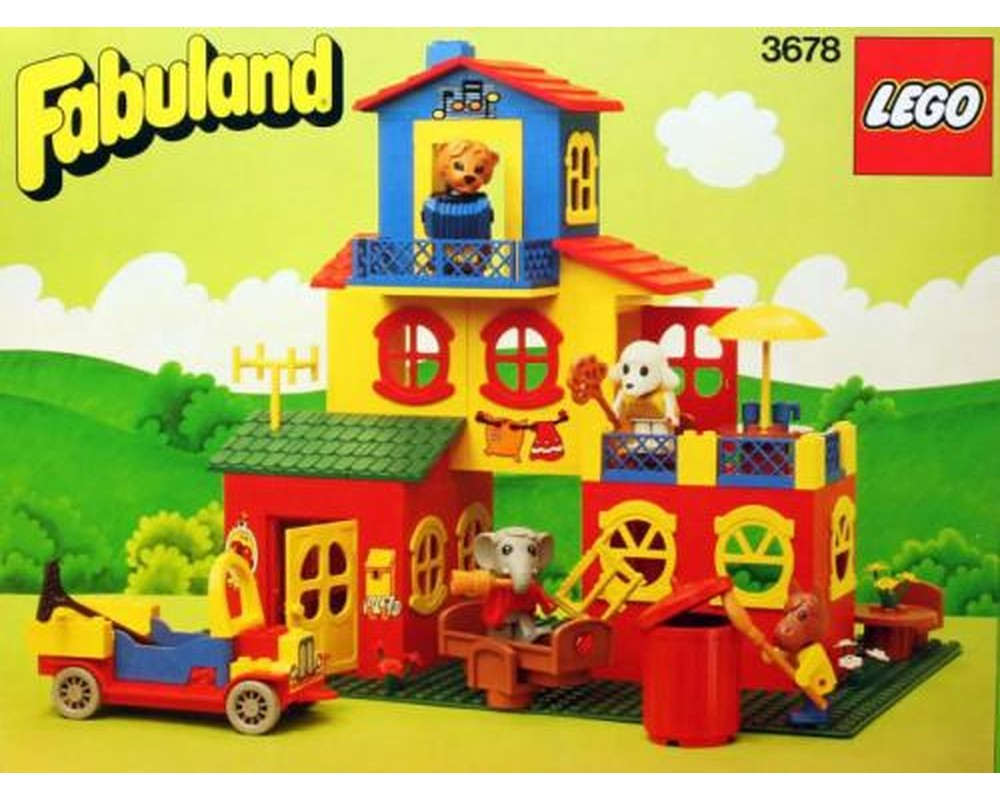
The figures were taller and rounder than minifigures; the colour palette leaned heavily into primary colours, with lots of reds, blues, and yellows, and many elements were unique moulds, never reused elsewhere.
That last point, whilst magical, became part of Fabuland’s downfall. LEGO thrives on reusable systems, and Fabuland required too many specialised parts. It was expensive to produce and difficult to integrate with other themes.
Still, those unique moulds are exactly why collectors adore Fabuland today.
Despite its charm, Fabuland slowly faded out by the late 1980s. LEGO shifted its focus back toward more system-driven themes that appealed to a broader age range and reused parts more efficiently.
Yet Fabuland didn’t fail; it simply evolved into LEGO’s future.
You can see its DNA clearly in, LEGO Friends’ character-driven storytelling, DUPLO’s narrative play sets, and instruction booklets that emphasise scenes and storytelling, not just construction.
Fabuland paved the way for modern LEGO storytelling to flourish.
For adult fans of LEGO (AFOLs), Fabuland hits a special nerve. It’s nostalgic, yes, but it is completely different to any other LEGO theme. It represents a softer, more whimsical side of LEGO that the company rarely revisits without an intellectual property attached.
Collectors love it for its unique, cosy and emotional storytelling.
And for many who grew up with it, Fabuland was their first LEGO world, a place where play wasn’t about battles or competition, but about community, kindness, and imagination.
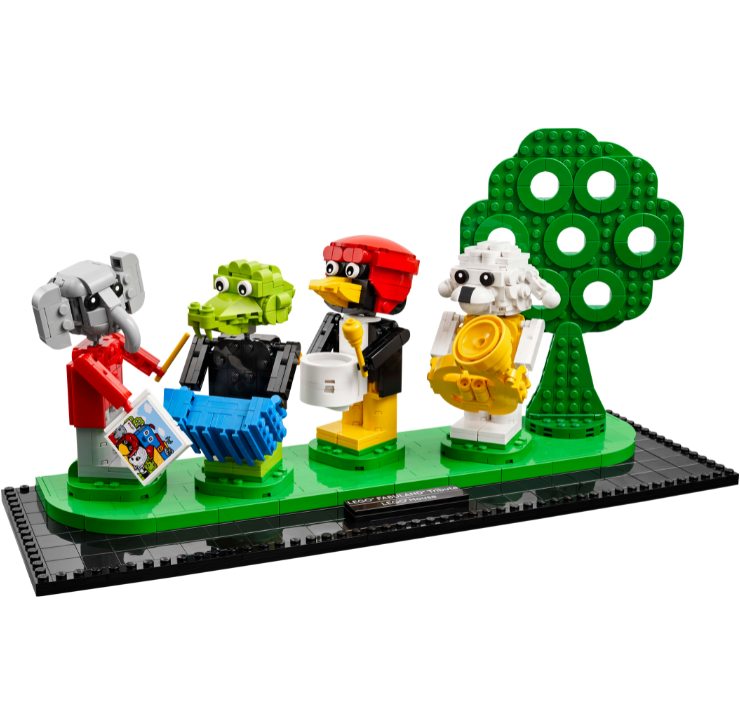
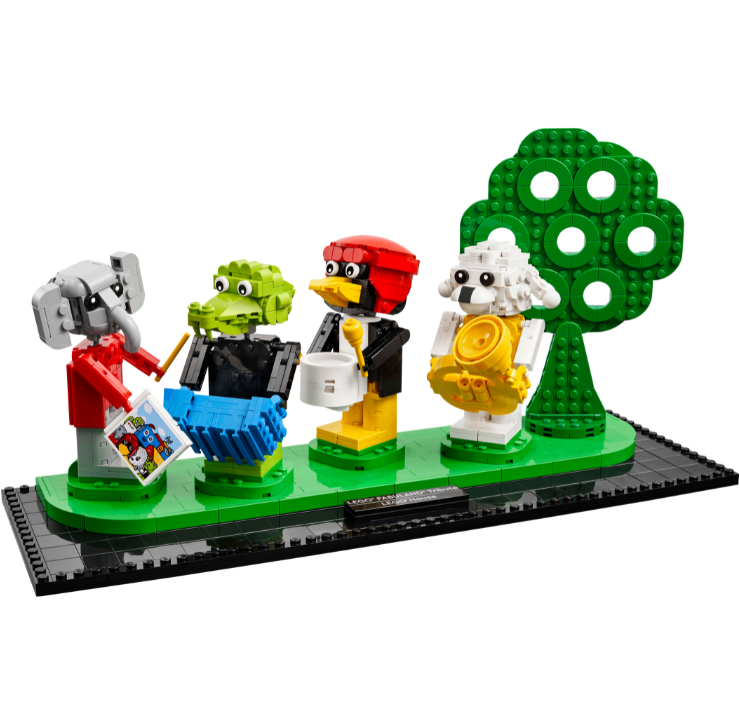
LEGO Fabuland may never return as a standalone modern theme, but its legacy is everywhere. Especially with the LEGO House Exclusive 2025 – LEGO Fabuland Tribute Set.
It proved that LEGO could tell stories, create emotional connections, and design worlds that felt alive.
In a hobby often dominated by epic adventures and massive builds, Fabuland remains a reminder that sometimes the smallest stories, the trip to the post office, the day at the farm, the boat ride with friends, can be the most magical of all.
And honestly? The LEGO world could always use a little more Fabuland.
Emily Parker
Image reference list all accessed on 12/02/2026
Logo https://upload.wikimedia.org/wikipedia/commons/3/30/Logo_Lego-Fabuland.png

World Of Minifigs https://worldofminifigs.wordpress.com/wp-content/uploads/2012/04/img_9619.jpg?w=640

Fabuland Characters https://www.lego.com/cdn/cs/history/assets/bltd856e78f723f8b8b/559-1.jpg?width=3840&quality=68&auto=webp&format=webply
Fabuland instructions https://manuals-us.handleidingkwijt.com/html/242535/bg1.png

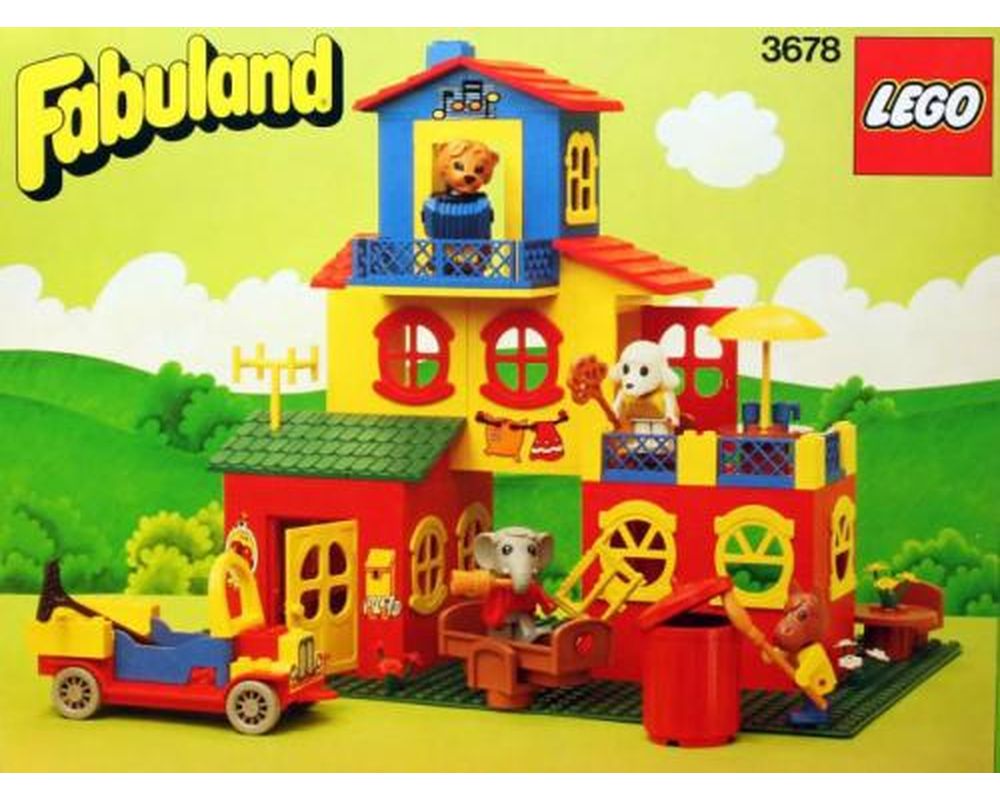
Set 3678 https://cdn.rebrickable.com/media/thumbs/sets/3678-1/352.jpg/1000x800p.jpg
Lego House Exclusive Fabuland Tribute Set https://legohouse.com/media/eyhfy24k/6.png
Fabuland Books https://encrypted-tbn0.gstatic.com/images?q=tbn:ANd9GcSLrDg72smKyVBZVYVdLLdlCPgope7v9OhxzQ&s